The current cases of avian influenza (AI) and Newcastle disease (ND) pose particular challenges for poultry farming. This makes it all the more important to have a partner you can rely on - safe production, safe transport and safe delivery. How do we achieve this? Find out more..
Why biosecurity is more important today than ever before
Poultry farming has been under pressure for years: bird flu (also known as avian influenza, H5N1, avian influenza (AI)) is spreading seasonally. At the same time, Newcastle disease has been present again in regions such as Bavaria and Brandenburg for over 30 years. For farmers, this means that every link in the value chain must function properly to prevent contamination of the flock and the spread of the disease.
Basic principles of biosafety
- Safe production: Strict hygiene rules and closed process chains in the factory.
- Safe logistics: Trained drivers, clear processes, disinfection of vehicles.
- Safe delivery: Minimisation of all contacts on the farm.
How we protect our plant - and therefore your food
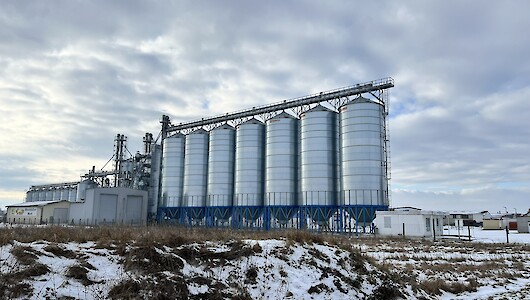
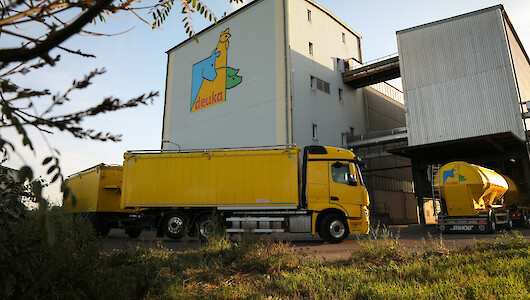
Our measures start in production - long before a lorry leaves our factory. In production, we rely on
- Access controls: Only trained personnel with clear hygiene guidelines.
- Cleaning zones: For vehicles, machines and work equipment.
- Closed production processes: Minimisation of open contact points.
- Regular training courses: For all employees - from plant operators to logistics.
What does "biosecurity" mean?
The term "biosecurity" refers to all measures designed to prevent pathogens from being introduced into a flock. It also refers to preventing the spread of diseases between different flocks. Biosecurity includes hygiene measures , protective clothing, disinfection and the associated clear procedures and processes.
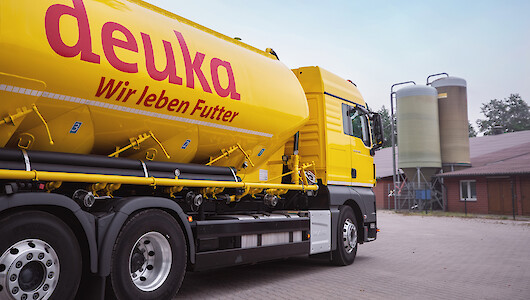
Disinfection of a feed lorry
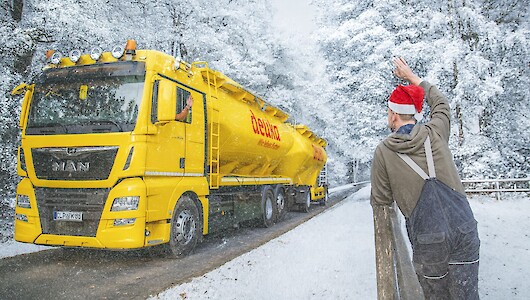
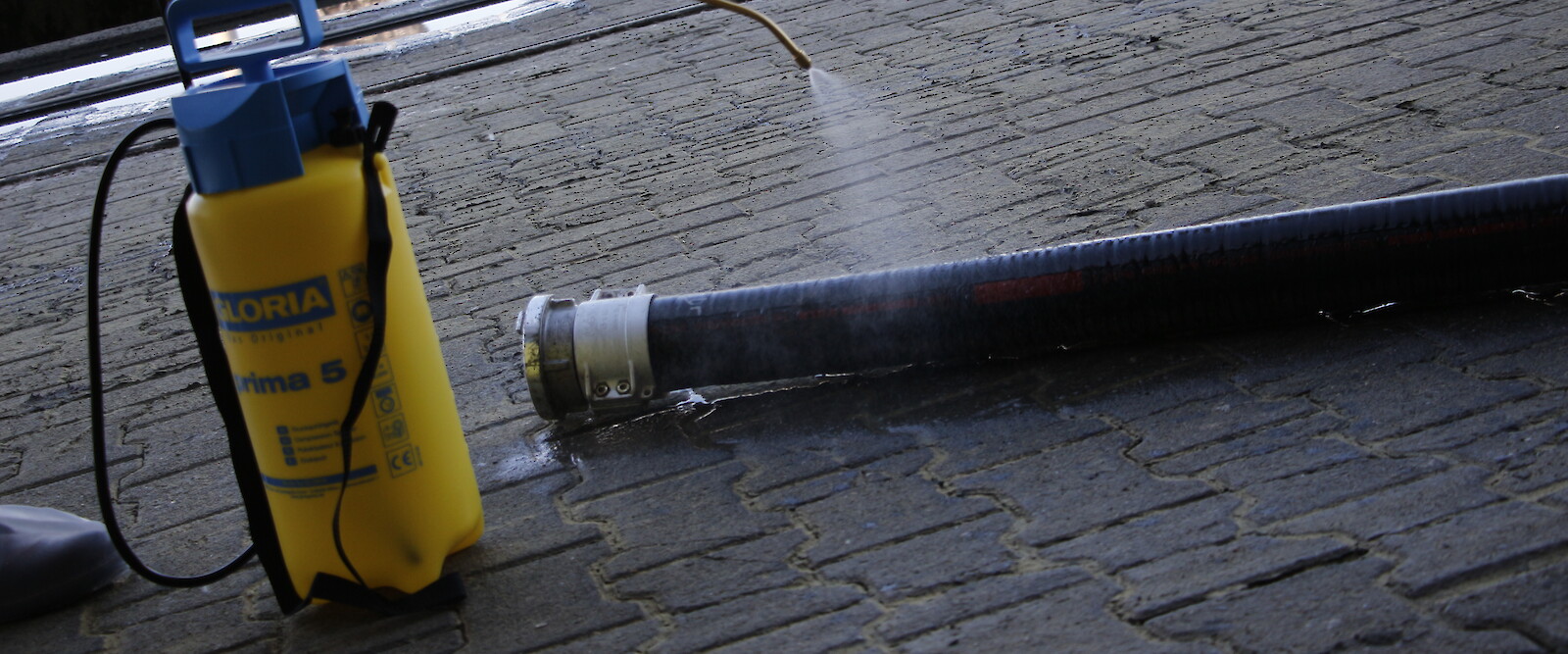
More than just clean: A lorry leaves our factory premises in Herzberg and passes through a mobile disinfection system that completely disinfects it. This makes it safer for delivering feed to the farms.
"Only when everyone pulls together can stocks stay healthy. We do our bit - and support you in doing yours."
Dr Lukas Fehse, Head of the Poultry Division

Safe on your farm: field service and drivers support you
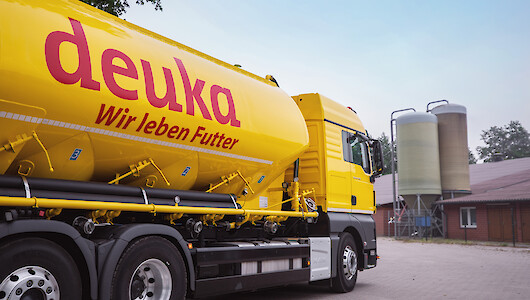
Biosecurity does not end at the factory gate. It continues on the farm. To this end, our drivers and those of our trading partners work according to clear and proven standards. These include, among other things
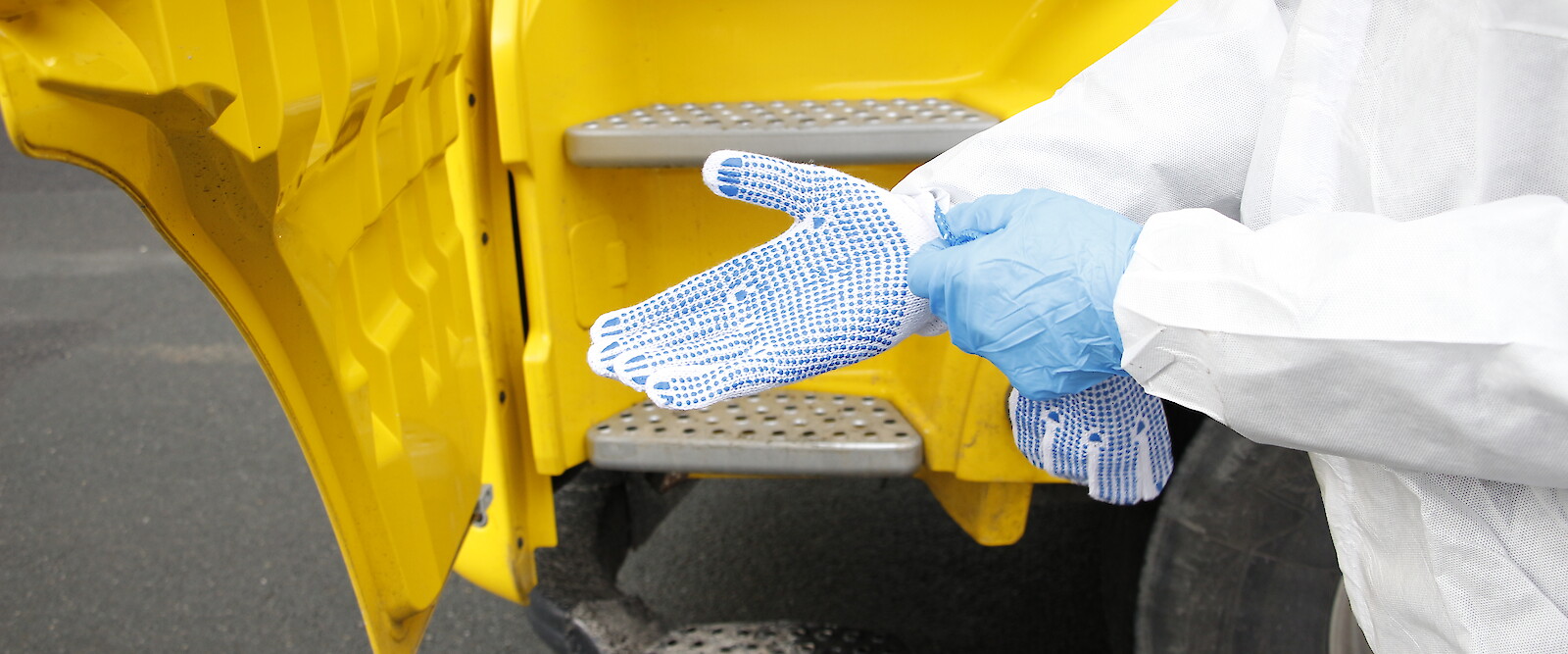
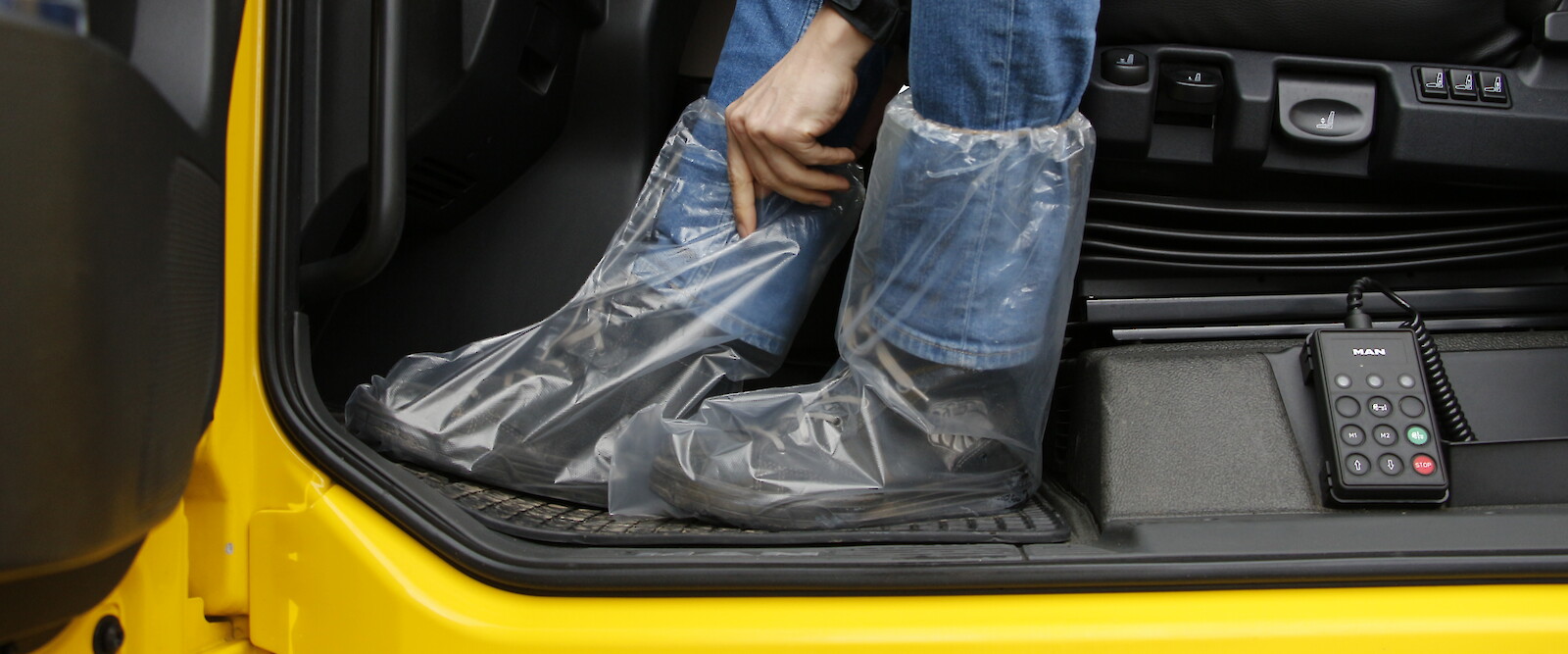
- Disposable shoes/protective suits: All drivers are fully equipped with protective clothing; drivers put on disposable shoes while still in the driver's seat
- Vehicle disinfection/tyre disinfection: Car ried out before every journey and after every use.
- Low-contact procedures: Minimisation of proximity to stables and changes of personnel.
Shared responsibility
Everyone involved in the value chain - from the feed mill to logistics to the farm - bears responsibility. Only together can avian flu and Newcastle disease be effectively contained.
The most important points in brief
- Biosecurity: Includes all measures to prevent the introduction and spread of pathogens.
- Avian flu & Newcastle disease: Highly relevant for poultry farming - ND has been present in Bavaria and Brandenburg for over 30 years.
- Safe production: Strict hygiene rules, closed processes and trained staff.
- Safe logistics: Protective suits, disinfection, clear processes - documented in the flyer and video.
- Shared responsibility: Every part of the value chain contributes to the protection of stocks.